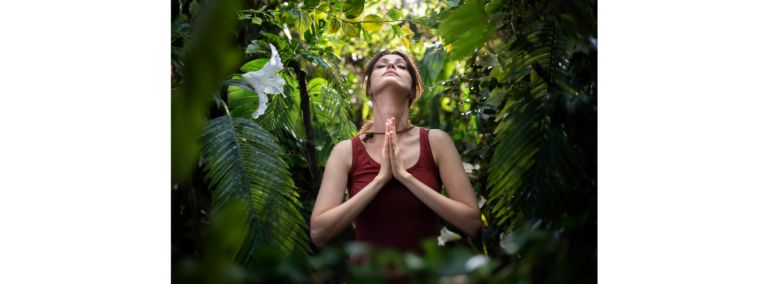


What do you enjoy about breathwork and how has it helped you?
Breathwork gave me a way back to myself. For a long time I didn’t realise how much I was running on adrenaline and nervous energy, especially around performing, until breath gave me a way to actually feel what was underneath all of that. It’s not about forcing anything. It’s about creating enough space to hear what I actually needed, often for the first time in years. What I love most is that it’s simple and it’s always available to me, whether I’m about to walk on stage or just trying to get through an ordinary Tuesday. That’s what I love passing on to others: breath as a tool for genuine, grounded change, not a quick fix or a performance hack, but something that actually rewires how you respond under pressure.
Where did you complete your training (or where are you still in training)?
Graduate Facilitator, Mentor and Teacher at Breathing Space.
Are you trained in any other modalities?
I’m an Advanced Instructor with the Institute for Vocal Advancement, which underpins my one to one voice coaching, and I hold a Masters of Research in Music from the University of Edinburgh, where I specialised in performance anxiety, which is really where this whole path started for me.
How do they integrate with breathwork?
Voice and breath are never really separate for me, they’re two expressions of the same nervous system response. Stage fright isn’t a personal flaw or a lack of talent, it’s the body reacting under pressure exactly as it’s designed to, which means it can be worked with rather than fought. I work across body, breath and mind to help performers get their nervous system out of the way of what they already know how to do. Breathwork underpins all of it, whether I’m doing shadow work, stage fright coaching, or straightforward voice lessons, it’s the thread that ties the whole approach together.
What is your personal journey?
My relationship with stage fright started young. At 16, I was about to start singing, the band was about to come in, and I froze. I blanked on the words completely, and in that split second all I could think was that I couldn’t mess this up because people were there to see me. My musical director noticed straight away and got the band playing to cover, and I came back in two lines later. It felt like it lasted forever, though it was only a few seconds.
That moment stayed with me for years, longer than it probably should have. It’s part of why I understand stage fright as a nervous system response rather than a personal failing, because I’ve lived it from the inside, not just studied it from the outside. It’s also why breathwork became so central to my work. It gave me a way to work with my nervous system instead of against it, and to make real, lasting changes rather than just papering over the anxiety and hoping it wouldn’t show up again next time.
What do you stand for, and what do you stand against?
I stand for doing this work properly. That means being honest with clients, even when it’s not what they want to hear, and never offering false praise just to make someone feel good in the moment. It means treating this as work that takes time, energy and effort, not a quick fix or a magic phrase that erases years of built up fear overnight. And it means believing that everyone can sing and everyone can find their way through stage fright, given the right support and enough patience.
I stand against guru style coaching and the “I will make you a star” promise, because that’s not what this work is and pretending otherwise does people a disservice. I stand against people teaching without proper credentials, and against taking money for the sake of it rather than because I can genuinely help. I never lie to clients, and I make that clear from the outset, even when the truth is a harder conversation than the one they were hoping for.
What is your greatest wish for your clients?
My greatest wish is that they get to fully step into their own potential, on stage and off it. So many of the performers I work with are more capable than their nerves let them believe, and I want them to reach the point where their nervous system finally gets out of the way of everything they already know how to do.